
How to Search the Fairmont Court Docket
The city of Fairmont posts no municipal-court docket or case-search portal. State cases are the place to begin. Open Minnesota Court Records Online, or MCRO, and choose Martin County. MCRO gives statewide remote access to eligible public cases. Search by name, case number, citation number, or attorney. That pulls up case details and the Register of Actions, the docket-like event list. Keep in mind it does not promise that every document is viewable online.
Fairmont search results sometimes need a second route. A pending criminal, traffic, or petty-misdemeanor matter without a conviction may not show up in a defendant-name search. Try the case number or citation instead. An eligible record still may not appear remotely. Fairmont residents can then ask Martin County Court Administration about the courthouse public-access terminal, a copy request, or the correct access rule. A missing result does not mean no court matter exists.
- Open MCRO and accept its public-access terms before starting a Fairmont court docket search.
- Select Martin County, then use the Fairmont party name, citation, case number, or attorney information that is available.
- Open the case result and read the Fairmont Register of Actions, hearing entries, disposition fields, and available documents.
- Check the official Martin calendar for a public Fairmont hearing date, while remembering that a calendar is not the full case history.
- Contact Martin County Court Administration for a Fairmont certified copy, a restricted record question, or an in-person search route.
Fairmont Court Records at Two Addresses
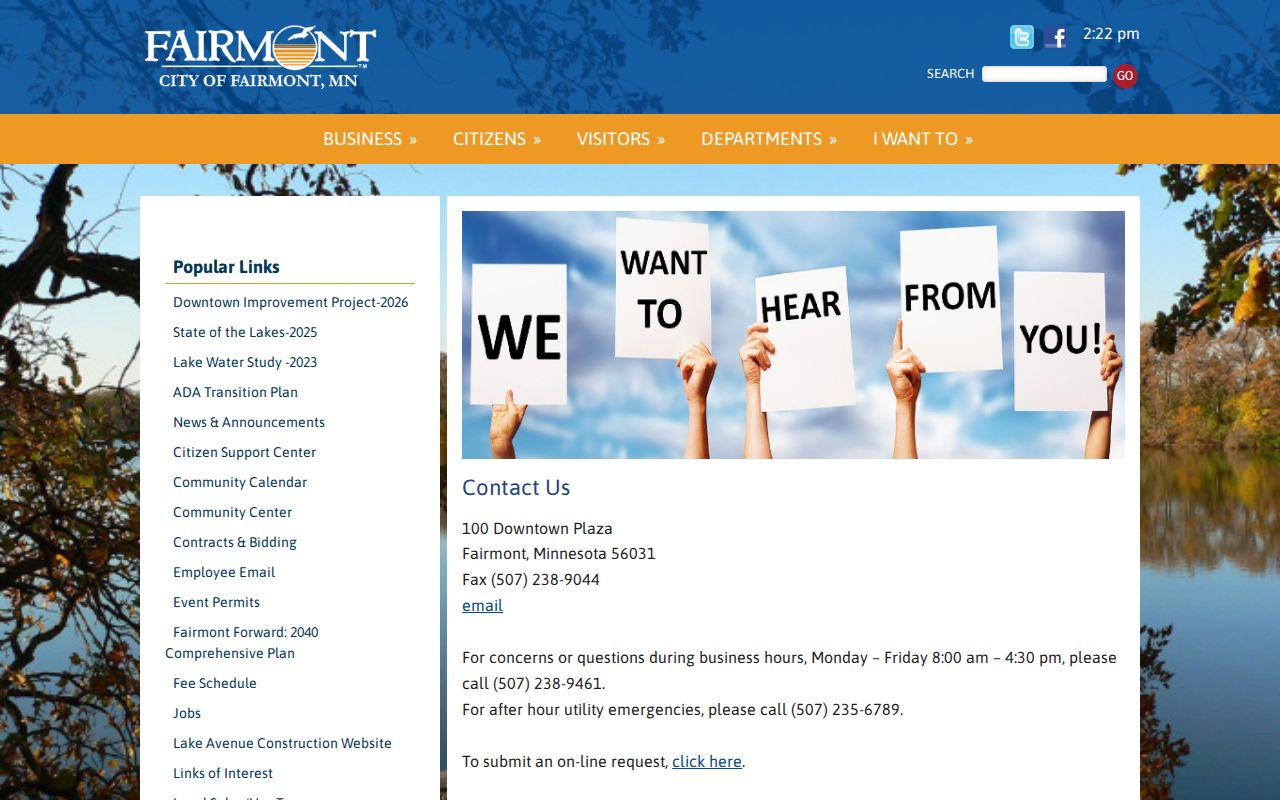
Fairmont is the Martin County seat. City Hall and the court-record office are separate places. The Fairmont contact listing places City Hall at 100 Downtown Plaza. The city's phone number there is 507-238-9461. That office handles municipal administration, ordinances, notices, and city correspondence. It does not maintain the Fairmont state-court Register of Actions.
For court records, go to Martin County Court Administration. It sits at the Martin County Courthouse, 201 Lake Avenue, Fairmont, MN 56031. The current Judicial Branch listing gives 507-432-7003. Hours run Monday through Friday, 8:00 a.m. to 5:00 p.m. Copy questions, case-specific access questions, and certified-record requests belong there. The official court page lists free surface and on-street parking. Call ahead about accessibility, security, seating, or a remote-hearing device before any Fairmont courthouse visit. The official Fairmont contact source lays out the city's contact details apart from the court location. That keeps the two straight.
The Fairmont Municipal Court
The heading people use for city docket searches can mislead. Fairmont runs no separate municipal court docket, calendar, or case portal of its own. Minnesota uses a unified district-court structure instead. The Martin County District Court is the local trial court. It handles civil, family, probate, juvenile, criminal, traffic, conciliation, and related matters filed in Martin County. Fairmont cases that enter the state system go there.
The boundary matters when a Fairmont issue starts with a city notice. An ordinance matter, administrative citation, permit issue, or public hearing notice does not automatically create a court case. No Register of Actions appears either. Once a Fairmont matter is filed in district court, though, the court record exists. The Fairmont city clerk or city department handles the municipal side. Court Administration holds the judicial file. It acts as the Fairmont court-record custodian.
Fairmont Docket and City Notice Lines
Fairmont's city government publishes material that can answer a municipal question. None of it touches a court question. The Fairmont city site opens the door to departments and local administration. Its new-ordinance notices and public-notice listings track city business. Those sources work well for locating an ordinance, notice, or municipal process.
But a Fairmont ordinance notice is not an MCRO Register of Actions. A public notice may announce a city meeting or hearing. It may show no court setting at all. When the need is a case filing, hearing record, judgment, or certified document, the search moves back to Martin County District Court. Keeping that division clear keeps a Fairmont court-record request from going to the wrong office. The Fairmont municipal source shows the city-government channel. That stays separate from the Fairmont district-court docket channel.
Fairmont Court Dates and Settings
Confirm a Fairmont court date several ways. Use the hearing notice, the current Martin calendar, or Court Administration. The Martin daily calendar is a Fifth Judicial District PDF. It lists public hearing fields. These include date, time, judicial officer, hearing type, connection type, location, and case number. The Martin court page posts the weekly public calendar at 7:00 a.m. on business days. It updates the calendar hourly. Printed calendars near courtrooms and in public lobbies remain the most current local source.
Remember that a Fairmont calendar is a schedule, not the case outcome. Confidential and non-remotely accessible matters may be left off. A missing Fairmont calendar entry is not proof. It does not show that a hearing was cancelled, moved, or never set. A continuance request also needs the applicable court process. A calendar change or an email does not itself grant one.
| Date | The Fairmont hearing date shown on the published calendar or case Register of Actions. |
|---|---|
| Time | The listed Fairmont start time, which can differ from the time a particular matter is called. |
| Location | The hearing location identified for the Fairmont Martin County District Court setting. |
| Judicial Officer | The Fairmont calendar field naming the official assigned to the public setting. |
| Setting Type | A Fairmont event such as arraignment, motion hearing, plea, sentencing, review, or scheduling conference. |
Fairmont Courthouse Docket History
Fairmont's courthouse anchors the city's court-record route in a literal sense. The Judicial Branch courthouse history shows a 1907, three-story Beaux-Arts building. It stands on the first courthouse site. Sandstone and limestone, a domed clock tower, murals, and stained glass all earned it National Register recognition. It is a durable civic landmark. None of that changes who can view a record. It does not change which Fairmont documents can be reached remotely.
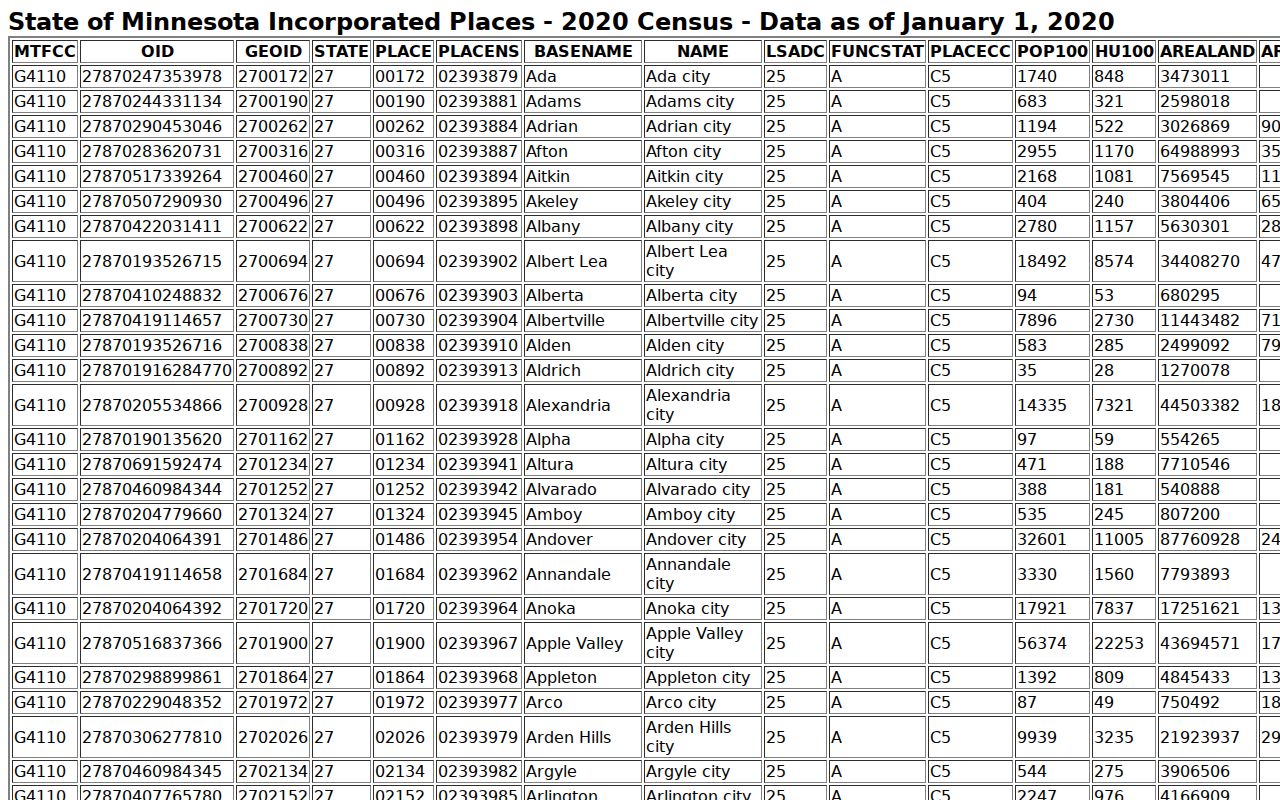
Population points the same direction. The 2020 Census incorporated-place table ranks Fairmont first in Martin County. The count is 10,487 people. That county-seat status helps explain why the Fairmont courthouse hosts the county's trial-court route. Still, being the largest city earns Fairmont no separate municipal docket. The Census place table publishes the population figures behind that ranking.
Fairmont Traffic Tickets
Start with the citation itself. Until you know what a Fairmont traffic ticket says, you cannot pick the right payment or search route. The Minnesota Court Payment Center processes payable and other eligible fines statewide for state-court matters. It can take up to seven days after receipt. Only then can the center help with a citation. MCRO, the courthouse public terminal, and Court Administration each fill a different Fairmont court-record need. A citation number sometimes works when a Fairmont name search fails.
The clock matters here. Fairmont residents generally must pay or schedule the required response within 30 days from filing. That deadline comes from Minnesota's official payment guidance. Be aware that paying a payable citation counts as a guilty plea. It also creates a conviction under the state traffic help material. To contest a Fairmont state-court citation, contact Martin County Court Administration about the local process. A payment screen is not a hearing request.
Delay brings real costs. Penalties can accrue. A case may go to collections, license suspension, or even a warrant or failure-to-appear result. Fairmont city parking or administrative instructions run as a separate city service. They do not create a Fairmont municipal court docket. The full county route for a state citation appears in Martin County traffic court records.
Fairmont Court Hearing Technology
How you appear depends on the notice. Fairmont court settings can be in person, remote, or hybrid. The notice and court instructions set what is allowed. Minnesota's statewide district-court framework makes that hearing notice the key source for the connection method in a given Fairmont case. The Fairmont daily calendar may carry a connection-type field. That field alone is not a complete access instruction. No reliable device or internet? Contact the local court about available options.
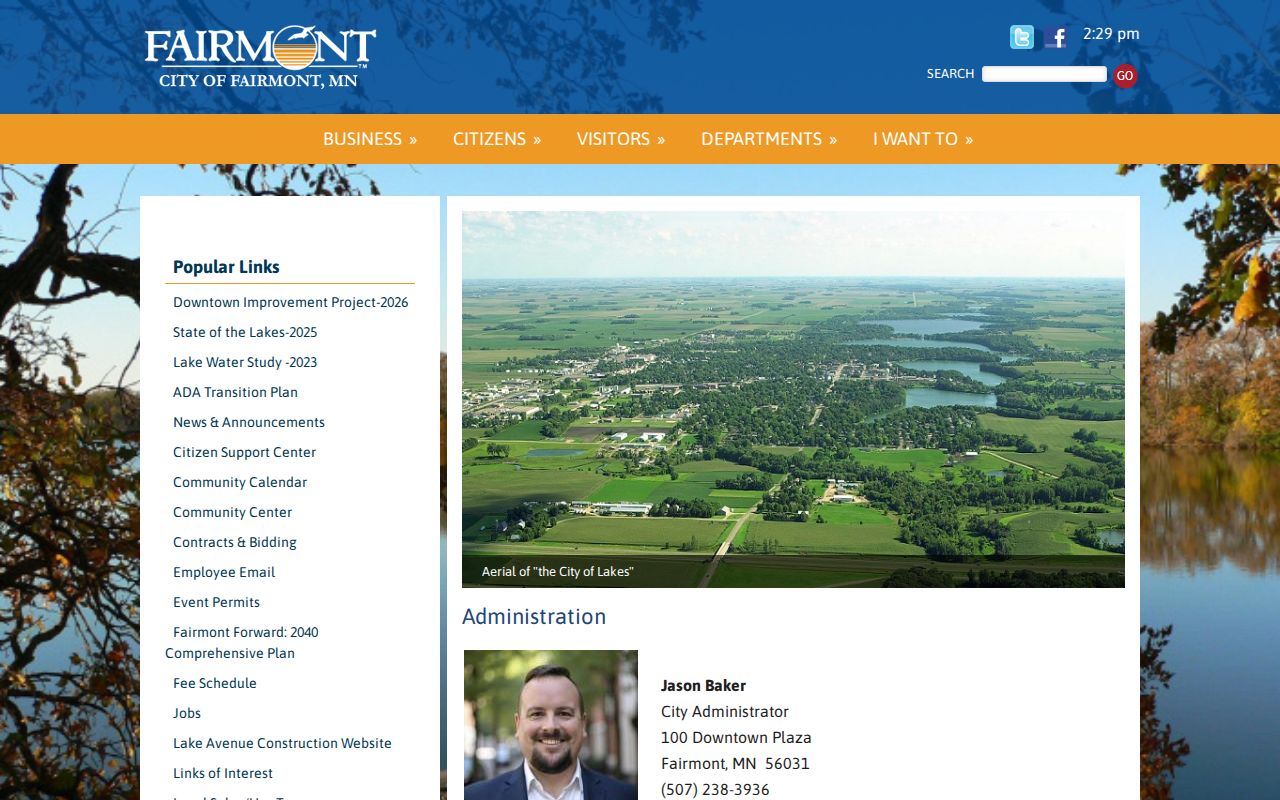
Local upgrades hint at the shift toward remote hearings. Martin County Board minutes from February 2024 describe two wall-mounted video monitors for the third-floor Fairmont courtroom. They were installed in response to Fifth Judicial District remote-hearing needs. That is technology context, not proof that every Fairmont case is remote. Later public-safety and justice-center material is planning information only. The Judicial Branch's current Fairmont court location at 201 Lake Avenue stays the active court location unless an official notice changes it. The Fairmont administration page covers city functions apart from the distinct court-record route.
Where Fairmont Cases End Up
Fairmont cases that become Minnesota state court matters land in one place. They are handled by Martin County District Court's unified system. There is no handoff from a city trial court to a separate county court. Instead, a Fairmont event filed as a court case becomes part of the Martin County District Court Register of Actions. Civil, criminal, traffic, family, probate, juvenile, and conciliation categories all sit inside that district-court structure. Access varies by case type and rule.
Docket flow: Fairmont city record or citation › Martin County District Court › Minnesota Court of Appeals when an appeal is taken
Some Fairmont municipal records never see a courtroom. A city ordinance notice, correspondence, or administrative item may stay with the city. It does not necessarily have a judicial docket. For a broader view of Martin County case groups and public search routes, see the Martin County court docket overview. One more wrinkle: an appeal from a Fairmont district-court order follows a separate appellate path through the Minnesota Court of Appeals.
Fairmont Court Record Copy Route
A Fairmont Register of Actions is a finding tool. It locates the case and its document details. It is not a certified Fairmont court copy. For an official record, follow Minnesota's copy-request guidance and contact Martin County Court Administration. The statewide request form takes the court file number, or the county plus as much party, case-type, and date information as possible when the number is unknown. Name the document, its date or Register of Actions index if known, the copy type, delivery method, and number of copies.
Fees are tiered. Martin's fee schedule lists $0 for an uncertified plain copy, print, scan, or screen print; $14 per document for a certified copy; and $28 per document for a certified-and-exemplified copy. A Fairmont requester should confirm current fees and the exact document with Court Administration first. Most in-person requests are described as same day. Offsite records can take longer. Email and fax are limited to plain, non-confidential copies on the form.
Restricted records need a different route. Sealed, confidential, or juvenile Fairmont records may require separate lawful access. Paying a copy fee never opens a non-public record.
Public Access to Fairmont Court Records
Access to Fairmont court records runs through the Minnesota Rules of Public Access to Records of the Judicial Branch. A city data request will not get you there. Rule 8 draws the line. It separates what you can inspect at the courthouse from what reaches you remotely. Rule 4 lists the non-public and restricted categories. So a Fairmont Register of Actions may appear in your search. A document, an address, or a whole category can still stay sealed off. Family, juvenile, and protection-order records carry their own tight boundaries.
For remote work, MCRO is the starting point. Its own terms warn that electronic data is not the official court record. It may hold errors or omissions. MNPAC Courthouse View opens the fuller courthouse-terminal layer where it is allowed. For certified copies or an access question, ask Court Administration. Minnesota Statutes section 13.90 sends judicial-record access through Supreme Court rules. That statute is why a Fairmont court request, not a city one, is the correct path.
Key Rules:
Minnesota public-access Rule 8 explains public court-record access and the difference between remote and courthouse viewing.
Minnesota public-access Rule 4 identifies restricted and non-public court records.
Minnesota Statutes section 13.90 directs Fairmont judicial-record requests to Judicial Branch rules rather than general data-practices procedures.
Minnesota Statutes section 485.07 names the court administrator's register of actions, judgment roll, judgment docket, and indexes.
Fairmont Docket Search Boundaries
A Fairmont court docket search has real limits. Know them before you lean on what you find. A calendar is just a scheduling list, never a final disposition. A charge on a Fairmont case is not a conviction. When a court document is missing from MCRO, it may be restricted, simply older, unavailable remotely, or reachable through the courthouse route. The accessible-case materials describe broader remote documents after July 1, 2015 for major and minor criminal and civil cases. Family and earlier records get narrower access.
Use the docket well. It can locate a court date, explain a public case's history, or point you to the office holding the original record. Confirm any Fairmont outcome with the court or clerk that keeps the source record. Fairmont city records, court calendars, the Register of Actions, and certified copies each answer a different question. Keeping those lines clear is what separates a helpful lookup from an unsupported conclusion.